
Industrial fuels, refractories & high-purity minerals.
Lumara supplies four product families to industrial thermal applications across the UAE and the wider region — boiler products, briquettes, coconut charcoal & activated carbon, and quartz.
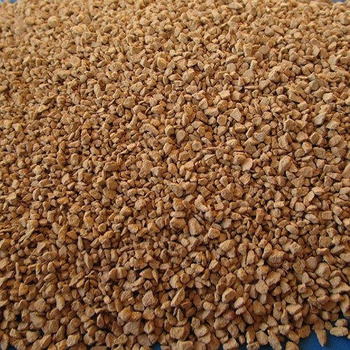
Boiler Products
Refractories, boiler bed materials, fire clays, cement, structural bricks, biomass fuels and high-grade clays — supplied to refractory installations, CFB boilers, kilns and turbine power units.
High Alumina Brick Powder
Used in refractory bricks, mortar, welding flux and nozzle mouth applications (for iron filter manufacturing).
| Particle size | 0–5 mm |
|---|---|
| Al2O3 (Alumina) content | 70% |
| Mesh size | 60 (fines) |
| Maximum temperature | 1700 °C |
Refractories Boiler Bed Material — IS-8 Grade
Engineered bed material for circulating fluidised bed (CFB) boiler usage.
| Particle size | 0.85 mm – 2.36 mm |
|---|---|
| Al2O3 content | 35–40% |
| SiO2 content | 45–55% |
| Bulk density | 1000–1100 kg/m³ |
| Operating temperature | 1400 °C |
Fire Clay
For furnace construction tasks and brick lining.
| Mesh size | 60 & 100 (fines) |
|---|---|
| Al2O3 content | 30% – 50% |
| Service temperature | 1400 °C – 1600 °C |
Cement
Cement applications in turbine power units.
| Mesh size | 60 mesh |
|---|---|
| Service temperature | 1600 °C |
Refractories Brick Powder — IS-8 Grade
Used in refractory bricks, mortar, welding flux and nozzle mouth (for iron filter manufacturing). Size and chemical composition can be customised as per customer requirement.
| Particle sizes available | 0–1 mm, 1–3 mm, 3–5 mm |
|---|---|
| Al2O3 content | 40–70% |
| Service temperature | 1400–1700 °C |
IS-6 Bricks
| Al2O3 content | 30% |
|---|---|
| Service temperature | 1400 °C |
IS-8 Bricks
| Al2O3 content | 40% |
|---|---|
| Service temperature | 1500 °C |
Biomass Pellets
High-quality biomass pellets — a reliable, eco-friendly alternative to coal designed for efficient combustion in industrial applications. Sustainable, cost-effective and supplied with consistent year-round availability.
| Gross Calorific Value (GCV) | 3200–3700 kcal/kg |
|---|---|
| Sizes available | 8 mm, 16 mm (custom on request) |
| Moisture | 4% – 6% |
De-Oiled Cashew Nut Shell Cake
Also known as Bio Shell Cake — an eco-friendly biomass fuel derived from cashew nut shells after extraction of Cashew Nut Shell Liquid (CNSL). Offers high calorific value with clean combustion and minimal ash, suitable for industrial boilers, kilns and furnaces.
| Gross Calorific Value (GCV) | 4200–4600 kcal/kg |
|---|---|
| Moisture | 10% |
Ball Clay
Ball clay's exceptional plasticity makes it essential in ceramic manufacturing, allowing easy shaping for intricate designs. Its high green strength prevents cracks during handling, while superior bonding enhances durability for high-quality ceramics.
Chemistry (XRF method)
| SiO2 | 47.2% |
|---|---|
| Al2O3 | 35.1% |
| Fe2O3 | 0.85% |
| TiO2 | 1.50% |
| K2O / Na2O | 0.10% / 0.00% |
| CeO / MgO | 0.05% / 0.01% |
| L.O.I. | 14.4% |
Physical & fired properties (1205 °C lab furnace)
| Water of plasticity | 42% |
|---|---|
| Residue 350# | <1% |
| Dry MOR (extruded bar) | 30 kg/cm² |
| Soluble salts | <600 ppm |
| Colour L value | >90 |
| Fired shrinkage | 12% |
| Fired MOR | >300 kg/cm² |
| Water absorption | <14% |
Silica Sand
A high-purity industrial mineral primarily composed of silicon dioxide (SiO2). Widely used across industries for its chemical stability, durability and high-temperature resistance. Available in different grades to meet diverse applications.
| Chemical property | Weight % |
|---|---|
| Loss on ignition | 1.00 – 5.00 |
| Silica (SiO2) | 84.00 – 93.00 |
| Iron (Fe2O3) | 0.30 – 1.80 |
| Alumina (Al2O3) | 2.00 – 8.00 |
| Calcium (CaO) | 0.30 – 3.00 |
| Magnesium (MgO) | 0.30 – 4.00 |
| Sulphur (SO3) | 0.44 – 2.00 |
| Sodium (Na2O) | 0.03 – 0.07 |
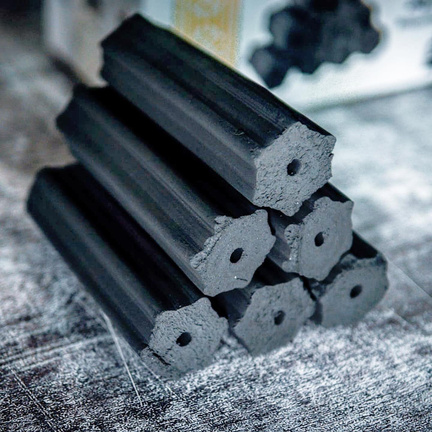
Briquettes
A briquette is a block of compressed coconut coal dust, charcoal dust, sawdust, wood chips or biomass — used as fuel in stoves and boilers. We supply briquettes for thermal applications across industries.
Types of briquettes we supply
Coconut Charcoal
~80% charcoal content, 7500–8000 kcal/kg, tube-shape design, low ash & smoke.
Saw Dust
Compressed wood-waste briquettes for industrial thermal and heating applications.
Rice Husk
Agro-waste briquettes for steam generation, drying processes and gasification.
Coal Powder
Agglomerated coal-powder briquettes for higher-density industrial fuel needs.
Different briquette types are matched to end-use requirements. Packing options: corrugated carton box, craft bags or PP bags.
Coconut charcoal briquette — key benefits
Reference: ordinary charcoal has a calorific value of ~6,500 kcal/kg. Briquetted charcoal also burns longer than lump wood charcoal.
Thermal applications
Briquettes are widely used for any type of thermal application — steam generation in boilers, heating, drying processes and gasification plants — as a replacement for coal, wood and liquid fuels (FO, Diesel, LDO, Kerosene, etc.).
Raw materials & indicative calorific values
Indicative values per supplier brochure data. Final ash content and calorific value vary by lot and origin.
- Groundnut Shell4,5243.80% ash
- Bagasse4,3801.80% ash
- Castor Seed Shells3,8628.00% ash
- Saw Dust Briq.3,8988.20% ash
- Cotton Stalks/Chips4,2523.00% ash
- Bamboo Dust4,1608.00% ash
- Babool (Wood)4,7070.90% ash
- Coffee Husk4,0455.30% ash
- Tobacco Waste4,2373.80% ash
- Mustard Stalk4,2003.40% ash
- Mustard Shell4,3003.70% ash
- Wheat Straw4,1008.00% ash
- Sunflower Stalk4,3004.30% ash
- Jute Waste4,4283.00% ash
- Palm Husk3,9004.90% ash
- Soya Bean Husk4,1704.10% ash
- Sugarcane3,99610.00% ash
- Coir Pitch4,1469.10% ash
- Rice Husks3,20019.20% ash
- Wood Chips4,7851.20% ash
- Paddy Straw3,46915.50% ash
- Tea Waste2,91031.50% ash
All values in kcal/kg.
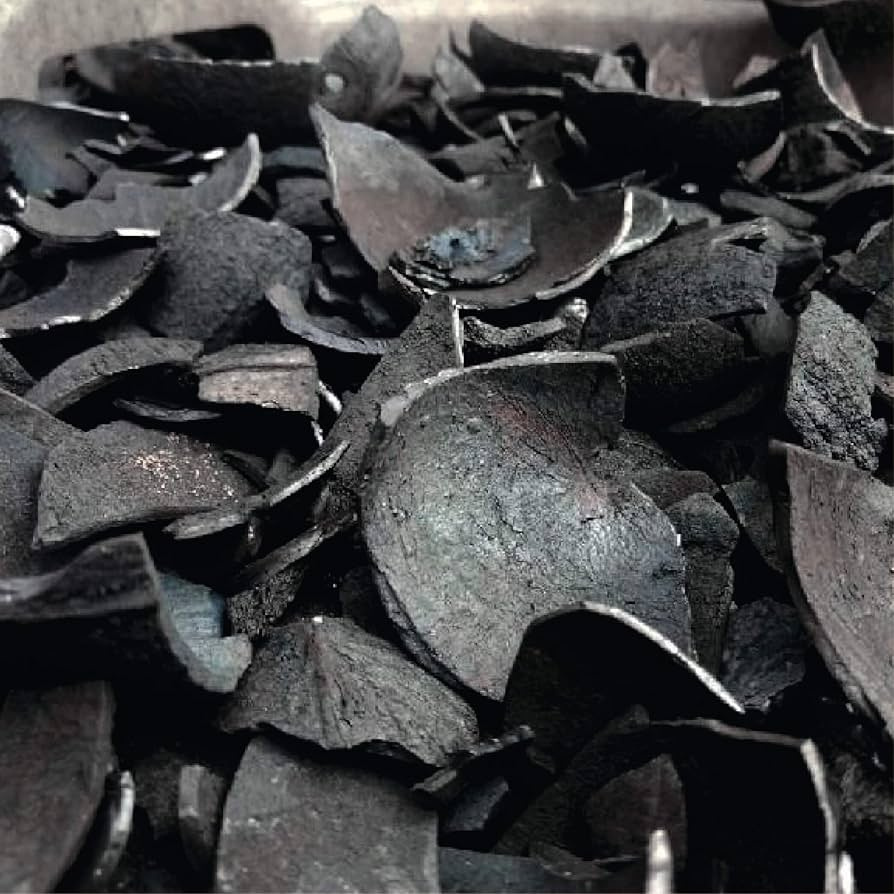
Coconut Charcoal & Activated Carbon
Coconut shell charcoal is an intermediate product made by carbonising coconut shells. Activated carbon is an inert, porous material used for casting foundries, gas/vapour adsorption and liquid purification.
Grades & demand profile
| Grade | Indicative demand share |
|---|---|
| Coconut Charcoal chips | 30% |
| Powder | 35% |
| Granular pelletised grade | 15% |
| Pharmaceutical grade | 20% |
Pharmaceutical-grade carbon is typically made from pinewood charcoal owing to very low ash and acid-soluble content.
Grade-wise application
Coconut Charcoal Chips
Foundries for C.I. castings. Indicative reference demand: ~25,000 tonnes per annum.
Powdered Activated Carbon
Vegetable oils, fats, sugar, water treatment, pharmaceuticals, fine chemicals and food products. Indicative reference demand: ~32,500 tonnes per annum.
Granular Activated Carbon
Automotive canisters, air purification, chemical and pharmaceutical industries. Indicative reference demand: ~5,000 tonnes per annum.
Pelletised Activated Carbon
Solvent recovery and catalyst applications. Indicative reference demand: ~3,000 tonnes per annum.
Tonnage figures above are reference industry consumption values from supplier documentation and are illustrative, not committed supply volumes.
Other related products available on request
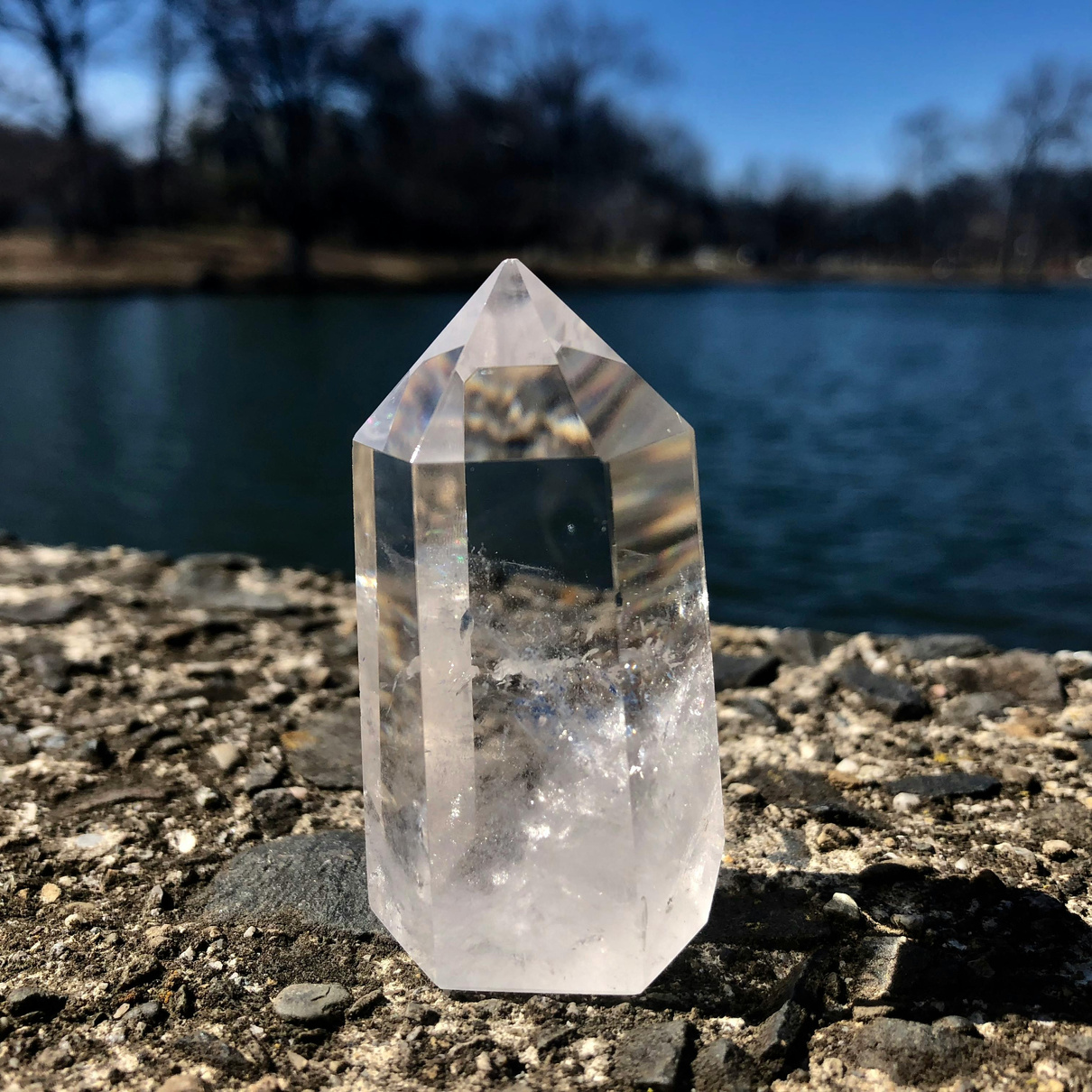
Quartz
Quartz is a hard, crystalline mineral composed of silicon and oxygen (SiO2). Quartz ore is a natural source of silica with a purity of more than 99%. High-grade silica is snow-white in colour, and A-grade silica typically has a whiteness greater than 96%.
Grades & applications
| Grade | Application |
|---|---|
| A — SiO2 97–99% | Glass Industry |
| B — SiO2 ≥ 98% | Ferro-Silicon Industry |
| C — SiO2 ≥ 97% | Ceramic & Pottery |
| D — SiO2 ≥ 97% | Foundry & Molding |
| E — SiO2 ≥ 97% | Sodium Silicate |
Use of quartz by industry (indicative)
- Glass making80–90%
- Chemical industry70–80%
- Steel industry20–30%
- Foundry industry20–30%
- Ceramic industry50–60%
- Abrasive industry60–70%
Percentage use varies by product quality requirements.
Broader applications of quartz
Get a tailored quote for your energy product requirement.
Send us your spec — particle size, Al2O3/SiO2 content, calorific value, grade, quantity and delivery point — and we'll respond with sourcing options and lead times.